by
by IPL auctions have evolved from conservative bidding exercises into billion-rupee spectacles that reshape cricket’s economic landscape.
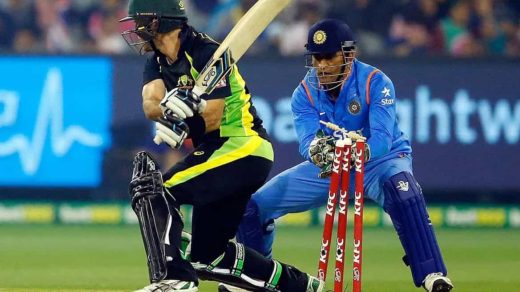
The first auction in 2008 felt experimental. Nobody knew what players were truly worth. MS Dhoni’s ₹9.5 crore deal seemed astronomical then.
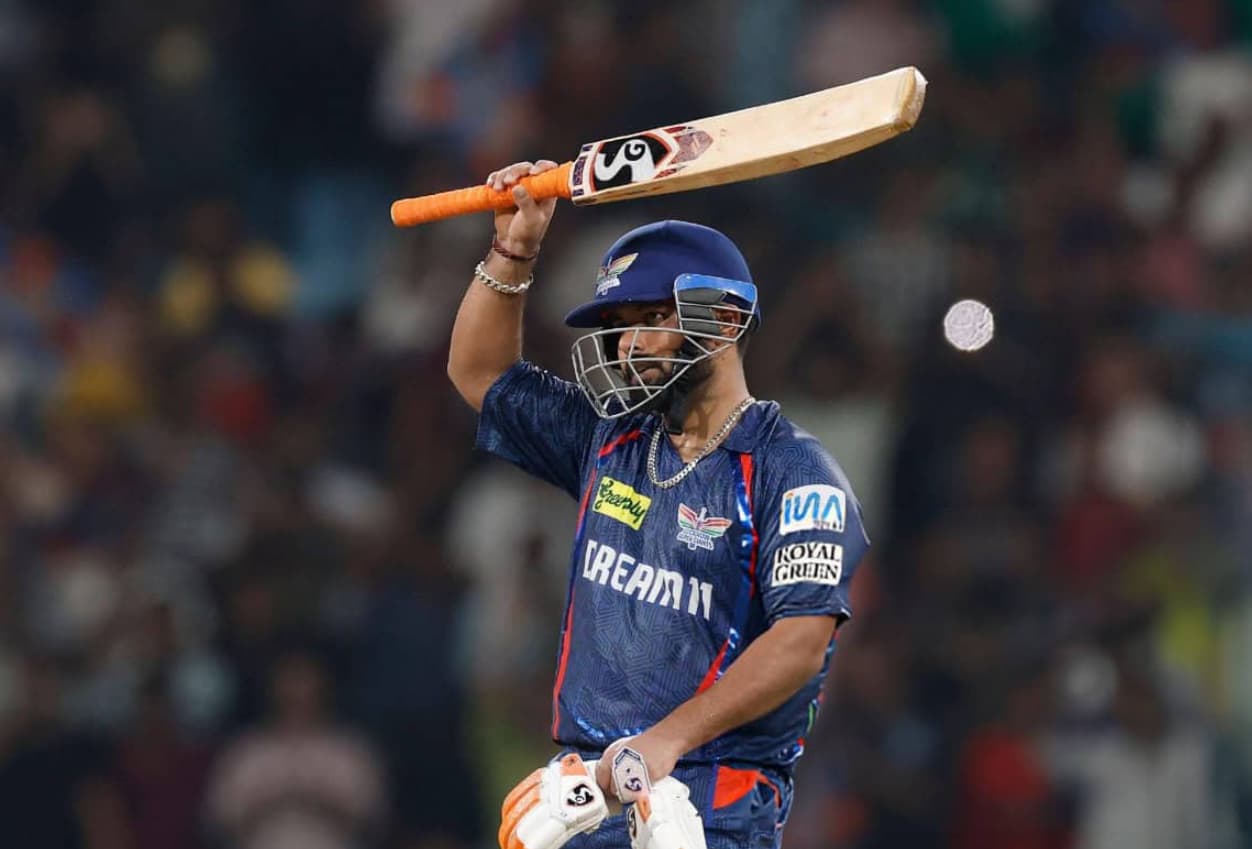
Fast forward to 2025. Rishabh Pant commanded ₹27 crore—nearly triple Dhoni’s pioneering price.
What changed? Everything.
Broadcasting rights exploded from ₹3,200 crore to ₹48,390 crore across deals. Franchise valuations skyrocketed. Team purses expanded proportionally.
Competition intensified dramatically. Eight teams became ten. More franchises chasing limited elite talent created bidding wars that defied logic.
Data analytics transformed player valuation. Teams now quantify impact precisely through win probability metrics, boundary percentages, and death-overs economy rates.
The auction room became strategic warfare. Franchises employ analysts, psychologists, and negotiation experts to optimize bidding strategies.
Player categories shifted, too. Pure batsmen lost value. All-rounders gained a premium. Wicketkeeper-batsmen became gold dust.
Indian players commanded higher prices because they don’t consume precious overseas slots. That strategic advantage justified aggressive bids.
Young talent attracted massive investments. Teams prioritized potential decade-long cornerstones over short-term gains.
Marketing value is factored into equations. Star players drive jersey sales, sponsorships, viewership—revenue streams beyond on-field performance.
The most expensive player in IPL auction history tag changed hands repeatedly, each transfer marking cricket’s commercial evolution milestones.
Most Expensive Player in IPL Auction History
Let’s analyze who commanded cricket’s biggest paychecks and whether they delivered value matching their astronomical price tags.
Complete Impact Analysis: Top Expensive Players Performance Review
| Player | Price (₹ Cr) | Team | Season | Matches | Impact Stats | Value Rating |
|---|---|---|---|---|---|---|
| Rishabh Pant | 27.0 | LSG | 2025 | Ongoing | TBD | TBD |
| Mitchell Starc | 24.75 | KKR | 2024 | 14 | 17 wkts, 8.34 eco | Excellent ⭐⭐⭐⭐⭐ |
| Sam Curran | 18.5 | PBKS | 2023 | 14 | 243 runs, 15 wkts | Average ⭐⭐⭐ |
| Chris Morris | 16.25 | RR | 2021 | 15 | 111 runs, 15 wkts | Poor ⭐⭐ |
| Yuvraj Singh | 16.0 | DD | 2015 | 14 | 248 runs, 7 wkts | Very Poor ⭐ |
| Pat Cummins | 15.5 | KKR | 2020 | 14 | 12 wkts, 8.86 eco | Average ⭐⭐⭐ |
| Ishan Kishan | 15.25 | MI | 2022 | 14 | 418 runs, 120 SR | Good ⭐⭐⭐⭐ |
| Gautam Gambhir | 14.9 | KKR | 2011 | 16 | 378 runs, Won IPL | Excellent ⭐⭐⭐⭐⭐ |
| Ben Stokes | 14.5 | RPS | 2017 | 12 | 316 runs, 12 wkts | Good ⭐⭐⭐⭐ |
| Yuvraj Singh | 14.0 | RCB | 2014 | 14 | 376 runs, 34 avg | Good ⭐⭐⭐⭐ |
This impact analysis reveals striking patterns. Championship-winning investments (Starc, Gambhir) delivered exceptional value. Emotional buys (Yuvraj 2015, Morris) flopped spectacularly.
Top 10 Most Expensive Player in IPL Auction History Ranked
1. Rishabh Pant – ₹27 Crore (LSG, 2025)
Why He Was So Expensive
Pant represents the complete modern cricketer package franchises desperately seek.
Elite wicketkeeper-batsman with proven IPL pedigree. 3,284 runs at explosive 148.9 strike rate across 110 matches before auction.
Leadership credentials after successfully captaining Delhi Capitals. Just 27 years old, offering 6-8 peak years.
His comeback from horrific car accident added inspirational narrative. Teams wanted that fighter mentality leading their squad.
The most expensive player in IPL 2025 bidding war involved LSG, Delhi, and Hyderabad pushing prices relentlessly.
Indian nationality meant no overseas slot consumption—massive strategic advantage.
Did He Justify the Price?
Season ongoing, but early indicators look promising.
Pant immediately became LSG captain, transforming team culture and strategy. His presence attracted quality players during auction remainder.
Initial matches show aggressive intent matching his reputation. He’s playing with freedom that defines modern T20 success.
Long-term evaluation requires full season assessment. But LSG’s investment appears strategically sound regardless of immediate results.
Stats Summary
| Metric | Career IPL Stats |
|---|---|
| Matches | 110 |
| Runs | 3,284 |
| Average | 35.3 |
| Strike Rate | 148.9 |
| Catches | 92 |
2. Mitchell Starc – ₹24.75 Crore (KKR, 2024)
Why He Was So Expensive
World Cup 2023 heroics drove Starc’s value to unprecedented heights for a fast bowler.
His 28 wickets in that tournament showcased peak form against world’s best. Left-arm pace with swing creates early breakthroughs teams crave.
Death-overs mastery provides value throughout innings. KKR specifically lacked left-arm variety after losing key bowlers.
Timing mattered hugely. Fresh off World Cup triumph, his marketability peaked perfectly for mega auction.
The most expensive player in cricket history at that moment, Starc shattered all overseas records.
Did He Justify the Price?
Absolutely. Championship-winning performance validates massive investment completely.
Starc took 17 crucial wickets in 14 matches. His new-ball spells regularly broke opposition backs early.
Playoff performances were exceptional. Multiple match-winning spells when pressure maximized.
KKR won IPL 2024 with Starc instrumental throughout. The investment delivered ultimate prize—the trophy itself.
Stats Summary
| Metric | IPL 2024 Stats |
|---|---|
| Matches | 14 |
| Wickets | 17 |
| Economy | 8.34 |
| Best Figures | 3/20 |
| Championship | Won |
3. Sam Curran – ₹18.5 Crore (PBKS, 2023)
Why He Was So Expensive
T20 World Cup 2022 Player of the Tournament performance justified premium pricing dramatically.
Death bowling mastery showcased against elite batsmen. Ability to bat anywhere 3-8, providing tactical flexibility.
Left-arm angle created match-up advantages that Punjab desperately needed. At 24, it offered long-term franchise cornerstone potential.
Punjab needed leadership and all-around quality after disappointing seasons. Curran represented a fresh start symbolically.
Did He Justify the Price?
Moderate returns without matching massive expectations, unfortunately.
Curran scored 243 runs and took 15 wickets—decent numbers but lacking match-winning impact moments.
Punjab finished mid-table despite his contributions. The pressure of being the most expensive possibly affected performance.
Value rating: Average. Not disastrous but definitely underwhelming given the ₹18.5 crore investment.
Stats Summary
| Metric | IPL 2023 Stats |
|---|---|
| Matches | 14 |
| Runs | 243 |
| Wickets | 15 |
| Economy | 9.52 |
| Team Finish | 7th |
4. Chris Morris – ₹16.25 Crore (RR, 2021)
Why was he so Expensive?
Genuine all-rounder scarcity drove bidding frenzy to unprecedented levels then.
Death bowling expertise combined with lower-order hitting provided dual value. Previous IPL performances showed match-winning capability.
RR specifically needed death-overs specialists after missing the playoffs. Morris addressed that critical weakness directly.
The highest bid in IPL history at that moment reflected desperate franchise needs meeting limited talent supply.
Did He Justify the Price?
Absolutely not. Disappointing returns made this one of IPL’s worst investments.
Morris took 15 wickets, but an expensive 9.33 economy undermined the value. Batting contributions were minimal, with just 111 runs.
Struggled with form and niggling injuries throughout the season. RR finished 7th, looking disastrous retrospectively.
Value rating: Poor. Failed to deliver on any dimension, justifying the ₹16.25 crore price.
Stats Summary
| Metric | IPL 2021 Stats |
|---|---|
| Matches | 15 |
| Runs | 111 |
| Wickets | 15 |
| Economy | 9.33 |
| Team Finish | 7th |
5. Yuvraj Singh – ₹16 Crore (DD, 2015)
Why was he so Expensive?
Legendary status drove emotional bidding beyond rational valuation.
His 2014 IPL resurgence with RCB showed remaining magic. Teams believed experience would deliver championship impact.
Delhi needed a big-name star to revive a struggling franchise. Yuvraj’s brand value justified investment beyond pure cricket metrics.
Multiple franchises engaged emotionally, creating a bidding war that defied performance analysis.
Did He Justify the Price?
Complete disaster. Worst return on investment in IPL history, arguably.
Yuvraj managed just 248 runs at a disappointing 120 strike rate – well below modern standards. Bowling contribution is negligible.
Delhi finished last despite his presence. The investment failed spectacularly on every measurable dimension.
Value rating: Very Poor. Cautionary tale about emotional bidding overriding data analysis.
Stats Summary
| Metric | IPL 2015 Stats |
|---|---|
| Matches | 14 |
| Runs | 248 |
| Strike Rate | 120.4 |
| Wickets | 7 |
| Team Finish | 8th |
6. Pat Cummins – ₹15.5 Crore (KKR, 2020)
Why was he so Expensive?
World’s best Test bowler entering T20 prime justified premium pricing.
Ability to bowl any phase—powerplay, middle, death—provided a complete package. Leadership potential as Australia’s captain added intangible value.
COVID-19 meant fewer overseas players available. Scarcity drove prices for elite talent dramatically higher.
Did He Justify the Price?
Moderate impact without dominating as expected.
Cummins took 12 wickets, but an 8.86 economy was expensive for the premium pacer. Batting contributions are minimal.
KKR made the playoffs, but he wasn’t the difference-maker expected. Decent but not spectacular returns.
Value rating: Average. Not terrible but definitely underwhelming given expectations.
Stats Summary
| Metric | IPL 2020 Stats |
|---|---|
| Matches | 14 |
| Wickets | 12 |
| Economy | 8.86 |
| Best Figures | 4/34 |
| Team Finish | 5th |
7. Ishan Kishan – ₹15.25 Crore (MI, 2022)
Why was he so Expensive?
Young Indian wicketkeeper-batsman with explosive style fits T20 perfectly.
Powerplay aggression provided match-winning capability. At 23, it offered decade-long franchise cornerstone potential.
Mumbai desperately wanted him back emotionally. They wouldn’t let him go regardless of price escalation.
Wicketkeeper-batsmen command a premium because they provide dual positional value unavailable elsewhere.
Did He Justify the Price?
Decent performance without spectacular returns on massive investment.
Kishan scored 418 runs at 32 average with a good 120 strike rate. Provided useful starts without dominating consistently.
Mumbai finished last despite its contributions, questioning investment wisdom. But long-term value remains a potential justification.
Value rating: Good. Not excellent but acceptable given youth and future potential.
Stats Summary
| Metric | IPL 2022 Stats |
|---|---|
| Matches | 14 |
| Runs | 418 |
| Average | 32.2 |
| Strike Rate | 120.4 |
| Dismissals | 23 |
8. Gautam Gambhir – ₹14.9 Crore (KKR, 2011)
Why was he so Expensive?
The first mega-auction set new pricing standards across IPL completely.
Proven leadership with championship credentials justified a premium confidently. Consistent opening batting provided the stability that teams desperately craved.
KKR needed a complete leadership overhaul after disappointing early seasons. Gambhir offered a perfect captain-batsman combination.
Indian captain-batsman combination represents the highest value category strategically.
Did He Justify the Price?
Absolutely. Best investment return in IPL history, arguably.
Gambhir captained KKR to their first title in their debut season. Scored 378 runs, including crucial playoff knocks.
His leadership transformed franchise culture completely. Won the second title in 2014, too.
Value rating: Excellent. Championship-winning investment that defined KKR’s golden era.
Stats Summary
| Metric | IPL 2011 Stats |
|---|---|
| Matches | 16 |
| Runs | 378 |
| Average | 31.5 |
| Championship | Won |
| Captain | Yes |
9. Ben Stokes – ₹14.5 Crore (RPS, 2017)
Why was he so Expensive?
Complete all-rounder package drove unprecedented bidding for overseas players.
Explosive batting, penetrative bowling, and brilliant fielding provided a triple threat. England’s rising superstar status added marketing appeal.
RPS needed a marquee player after the captaincy changes. Stokes fit their requirements perfectly across dimensions.
Did He Justify the Price?
Mixed bag with brilliant glimpses validating investment partially.
Stokes scored 316 runs, including a match-winning 103* against Gujarat. Took 12 useful wickets, providing bowling support.
RPS reached the finals but lost narrowly. He delivered enough value to partially justify investment without complete success.
Value rating: Good. Not excellent but respectable returns on significant investment.
Stats Summary
| Metric | IPL 2017 Stats |
|---|---|
| Matches | 12 |
| Runs | 316 |
| Wickets | 12 |
| Century | 1 |
| Team Finish | Runners-up |
10. Yuvraj Singh – ₹14 Crore (RCB, 2014)
Why was he so Expensive?
Post-cancer comeback story created an emotional bidding premium significantly.
His 2013 Punjab performance showed regained form convincingly. RCB needed an Indian all-rounder to balance an overseas-heavy squad.
Multiple teams engaged emotionally, pushing price beyond rational analysis limits.
Did He Justify the Price?
Decent performance without dominating as expected.
Yuvraj scored 376 runs at 34 average with useful contributions throughout. Provided middle-order stability consistently.
RCB reached the finals but lost. Moderate return on significant investment without championship success.
Value rating: Good. Acceptable returns without spectacular value justification.
Stats Summary
| Metric | IPL 2014 Stats |
|---|---|
| Matches | 14 |
| Runs | 376 |
| Average | 34.2 |
| Strike Rate | 132.4 |
| Team Finish | Runners-up |
Why Certain Roles Command Premium Prices?
All-Rounders Dominate the Top 10 Highest Paid IPL Player 2025 List Because:
- Dual value proposition: They contribute with both primary skills, batting and bowling, effectively doubling their utility.
- Squad balance optimization: Allow teams to field extra specialists while maintaining balance. One all-rounder replaces a specialist batsman + bowler.
- Match impact multiplication: Can change games through multiple pathways. Batting fails? Still contribute through bowling.
- Scarcity factor amplification: Genuine all-rounders are extraordinarily rare globally. Maybe 15-20 elite ones exist worldwide.
- Economic efficiency gains: Two specialists cost more combined than one quality all-rounder mathematically.
Finishers Command High Prices Because:
- Match-winning impact: T20 games decided in the final overs disproportionately. Finishers deliver then.
- Pressure performance premium: Finishing requires unique mental toughness. Players handling death-overs pressure are rare.
- Strategic versatility: Good finishers bat anywhere 5-8, providing tactical flexibility coaches crave.
- Recent format emphasis: Modern T20 prioritizes death-overs batting more than ever historically.
Pacers Get Premium Bids Because:
- Wicket-taking ability: Fast bowlers take wickets consistently across all phases—powerplay, middle, death.
- Powerplay dominance: Early wickets set the match tone. Pacers dominate this crucial phase statistically.
- Death-overs value: Elite pace bowlers control death overs better than spinners on most surfaces.
- Pitch versatility: Pacers are effective on varied surfaces. Spinners struggle on flat tracks.
- Left-arm premium: Left-arm pacers command extra premium due to scarcity and angle advantages.
Price Evolution: 2008 vs 2025 Comparison
| Category | 2008 Auction | 2025 Auction | Growth % |
|---|---|---|---|
| Top Price | ₹9.5 Cr (Dhoni) | ₹27 Cr (Pant) | +184% |
| Top Overseas | ₹9.8 Cr (Pietersen) | ₹24.75 Cr (Starc-2024) | +152% |
| Top All-rounder | ₹4.8 Cr (Pollard-2010) | ₹18.5 Cr (Curran-2023) | +285% |
| Top Pacer | ₹4.8 Cr (Bond-2010) | ₹24.75 Cr (Starc-2024) | +416% |
| Average Top-10 | ₹6.2 Cr | ₹18.8 Cr | +203% |
| Franchise Purse | ₹40 Cr | ₹120 Cr | +200% |
This comparison reveals fascinating growth patterns. Pacers showed the highest price appreciation (416%), reflecting their increased T20 value recognition.
All-rounders grew 285%—massive but less than pacers, surprisingly. Their value was recognized historically.
The Kohli Paradox: India’s Biggest Star Never Auctioned
Despite being cricket’s most marketable player, Virat Kohli never became the most expensive player in IPL 2025 Virat Kohli or any auction year.
Why? RCB retained him before every mega auction strategically, avoiding open bidding completely.
Had Kohli entered auctions, experts universally estimate ₹32-35 crore minimum pricing. His brand value transcends pure cricket contributions massively.
The highest paid player in IPL 2025 list includes him through retention at ₹21 crore—India’s highest retained player amount.
His absence from auction records creates a fascinating counterfactual. What would a bidding war for Kohli look like?
Conservative estimates suggest ₹35 crore. Aggressive projections reach ₹40 crore considering brand value, performance history, and marketing appeal combined.
Future Projections: What Could IPL 2026 Break?
The highest bid in IPL 2026 could realistically touch ₹30-33 crore based on multiple converging factors.
Key Drivers for Record-Breaking 2026 Auction:
- Franchise purse increase: Expected 15-20% growth to ₹135-140 crore per team minimum.
- Broadcasting revenue growth: Next cycle negotiations could push rights values even higher proportionally.
- Jasprit Bumrah availability: If he enters the open market, likely become the first ₹30+ crore player easily.
- Hardik Pandya potential: A Complete all-rounder with captaincy credentials could fetch ₹28-31 crore.
- Shubman Gill trajectory: A Young elite Indian batsman could command a ₹25-28 crore valuation.
Specific Player Projections:
| Player | Projected 2026 Price | Reasoning |
|---|---|---|
| Jasprit Bumrah | ₹30-33 Cr | Elite Indian pacer, proven match-winner |
| Hardik Pandya | ₹28-31 Cr | Complete all-rounder, captain credentials |
| Shubman Gill | ₹24-28 Cr | Young Indian batsman, decade-long potential |
| KL Rahul | ₹22-26 Cr | Wicketkeeper-batsman, leadership experience |
| Rashid Khan | ₹20-24 Cr | Elite T20 spinner, consistent performer |
Long-term Trajectory (2028-2030):
By 2030, top prices could reach ₹45-50 crore realistically. Compound growth of 20-25% per mega auction cycle supports this projection.
The ₹50 crore barrier will eventually break. Market dynamics, franchise valuations, and revenue growth guarantee continued inflation.
Conclusion: The Auction Evolution Continues
The most expensive player in IPL auction history journey mirrors cricket’s transformation from sport to entertainment business empire.
₹9.5 crore to ₹27 crore represents more than price inflation. It reflects changed valuations, strategic priorities, and economic realities fundamentally.
Championship-winning investments (Starc, Gambhir) delivered exceptional value. Emotional purchases (Yuvraj 2015, Morris) flopped spectacularly.
Data-driven bidding outperforms emotional attachment consistently. Teams are learning this lesson slowly but surely.
Future auctions promise even more drama. Records will shatter. New stars will emerge. Economics will continue evolving dramatically.
The spectacle continues, creating dreams and changing lives with every paddle raised in cricket’s most thrilling financial theater.
More Cricket Guides: