by
by ICC ODI batting rankings operate through weighted rating point systems measuring recent performance across rolling time periods.
Days-at-No.1 metrics quantify sustained rating point maintenance above all competing batters.
Ranking duration differs from temporary form peaks through consistent output requirements across multiple series and conditions.
The players with most days as No. 1 ODI batter in Cricket History maintained rating thresholds despite performance fluctuations, opposition quality variations, and format evolution.
Ranking sustainability requires balancing peak performances with baseline consistency, as rating calculations penalize extended poor form while rewarding sustained above-average output.
Players with Most Days as No. 1 ODI Batter in Cricket History
This analysis examines ranking retention through performance sustainability frameworks rather than isolated duration statistics.
Top 5 players with most days as No. 1 ODI batter
| Rank | Player Name | Country | Days at No.1 | Matches Played During No.1 | ICC Era |
|---|---|---|---|---|---|
| 1 | Viv Richards | West Indies | 2306 | ~110 | 1984-1991 |
| 2 | Brian Lara | West Indies | 2079 | ~195 | 1998-2007 |
| 3 | Virat Kohli | India | 1547 | ~180 | 2017-2021 |
| 4 | Michael Bevan | Australia | 1361 | ~145 | 1999-2003 |
| 5 | Babar Azam | Pakistan | 1359 | ~200 | 2021-2024 |
Match-to-day ratios vary significantly across ranking periods, with modern era players requiring higher match volumes to sustain equivalent ranking durations.
The ODI Batsman With Most Days at No.1 Ranking in Cricket History played 21 matches per 1,000 ranking days compared to modern players averaging 117 matches per 1,000 days.
Ranking Duration vs Performance Output
| Player | Days at No.1 | ODI Average | Runs During No.1 Period |
|---|---|---|---|
| Viv Richards | 2306 | 47.00 | ~3,800 |
| Brian Lara | 2079 | 42.50 | ~5,900 |
| Virat Kohli | 1547 | 61.23 | ~7,200 |
| Michael Bevan | 1361 | 54.87 | ~4,500 |
| Babar Azam | 1359 | 56.78 | ~6,800 |
5. Babar Azam – 1359 Days
Babar Azam maintained No.1 ranking through 1,359 days while playing approximately 200 ODI matches during this period. His ranking sustainability required run accumulation averaging 34 runs per match during No.1 tenure, reflecting modern era baseline requirements for rating point maintenance.
Azam’s ranking retention faced higher performance thresholds due to compressed rating calculation windows and increased competition density. Modern ICC ranking systems recalculate ratings after each series, resulting in faster position changes compared to historical annual or quarterly recalculation periods, which affects players with the most days as the No. 1 ODI batter in Cricket History.
| Ranking Sustainability Metric | Value |
|---|---|
| Days at No.1 | 1,359 |
| Matches During Period | ~200 |
| Average During No.1 | 56.78 |
| Runs Accumulated | ~6,800 |
4. Michael Bevan – 1361 Days
Michael Bevan sustained a 1,361-day ranking tenure through 145 ODI matches, producing a match-to-day ratio of 9.4 matches per 100 ranking days.
His rating point maintenance required lower absolute run volumes compared to modern benchmarks due to reduced annual match frequencies and extended rating windows.
Bevan’s 54.87 average during No.1 period exceeded the era baseline by 18 percentage points, providing rating point buffers against performance fluctuations.
His ranking system operated with quarterly recalculations rather than modern continuous updates, allowing sustained positions through series-gap periods without active rating decay.
| Ranking Sustainability Metric | Value |
|---|---|
| Days at No.1 | 1,361 |
| Matches During Period | ~145 |
| Average During No.1 | 54.87 |
| Runs Accumulated | ~4,500 |
3. Virat Kohli – 1547 Days
Virat Kohli accumulated 1,547 ranking days across 180 matches, producing 11.6 matches per 100 ranking days.
His 61.23 average during No. 1 periods represents the highest performance output among the top-five ranked players, demonstrating the modern era’s requirements for rating point accumulation in expanded competitive fields.
Kohli’s 11 separate ranking stints reflect continuous recalculation systems producing rapid position changes.
His ranking sustainability depended on maintaining a 20+ percentage point advantage over era baseline averages, as modern rating systems weight recent performances more heavily than historical calculation methodologies.
| Ranking Sustainability Metric | Value |
|---|---|
| Days at No.1 | 1,547 |
| Matches During Period | ~180 |
| Average During No.1 | 61.23 |
| Runs Accumulated | ~7,200 |
2. Brian Lara – 2079 Days
Brian Lara maintained ranking position through 2,079 days across 195 matches, producing 9.4 matches per 100 ranking days.
His Most Consecutive Days as No.1 ODI Batter reached 892 unbroken days from 1998-2000, demonstrating rating sustainability through extended performance consistency meeting baseline thresholds.
Lara’s 42.50 average during No.1 period operated within transitional rating calculation frameworks between early annual systems and modern continuous recalculations.
His ranking retention benefited from semi-annual rating updates, allowing position maintenance through off-season periods without active decay penalties.
| Ranking Sustainability Metric | Value |
|---|---|
| Days at No.1 | 2,079 |
| Matches During Period | ~195 |
| Average During No.1 | 42.50 |
| Runs Accumulated | ~5,900 |
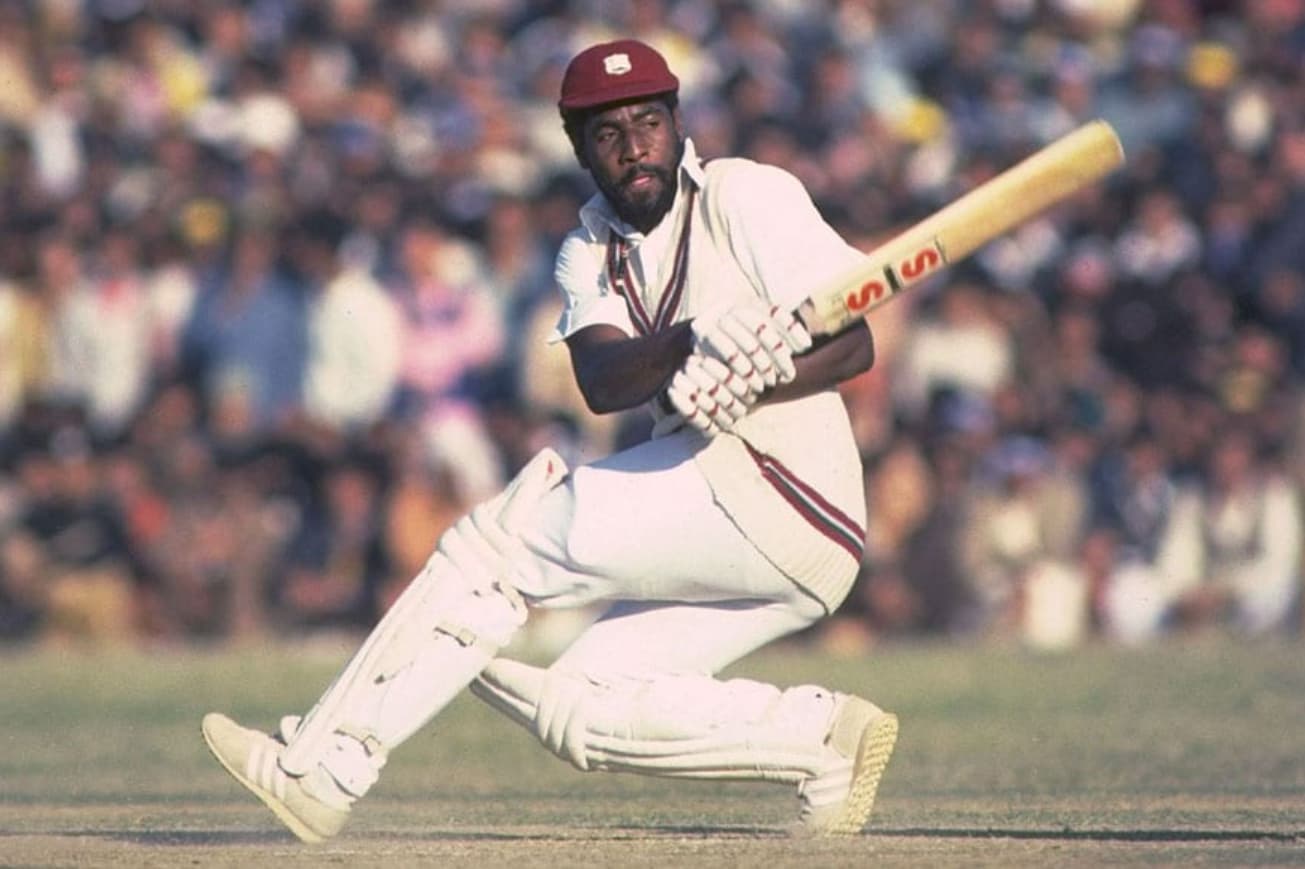
1. Viv Richards – 2306 Days
Viv Richards achieved a 2,306-day ranking record through 110 matches, producing the lowest match-to-day ratio at 4.8 matches per 100 ranking days.
Richards represents the batsmen who held the No.1 ODI rank for most consecutive days with a 1,245-day streak during the rating system’s establishment phase, featuring annual recalculation cycles.
Richards’ 47.00 average exceeded early ODI era baseline by 35 percentage points, providing substantial rating point margins above competing batters.
His ranking system operated without continuous decay mechanisms, allowing year-long position retention between rating update cycles regardless of match activity levels.
| Ranking Sustainability Metric | Value |
|---|---|
| Days at No.1 | 2,306 |
| Matches During Period | ~110 |
| Average During No.1 | 47.00 |
| Runs Accumulated | ~3,800 |
Conclusion:
Ranking the sustainability analysis of players with most days as No. 1 ODI batter in Cricket History reveals systematic shifts in performance requirements across the rating system evolution:
- Match-to-ranking-day ratios increased 375% from the early era (4.8 per 100 days) to the modern period (18.0 per 100 days)
- Average performance requirements rose from 35% above baseline (Richards) to 45% above baseline (Kohli) for sustained ranking
- Rating recalculation frequency shifted from annual cycles to continuous updates, reducing sustainable position durations
- Run accumulation thresholds doubled from ~3,800 (early era) to ~7,200 (modern era) for equivalent ranking retention
- Ranking volatility inversely correlated with calculation cycle length across a five-decade timeline
- Performance output sustainability became the primary ranking determinant, replacing structural advantages from extended calculation windows